You open your auto insurance renewal letter. You haven't had an accident. You haven't even had a fender bender in a parking lot. Yet somehow, your premium went up.
What gives?
If you're an Ohio driver scratching your head right now, you're not alone. This is one of the most common questions we hear at Cook Insurance Group. And honestly? It's frustrating. You do everything right, and your rate still climbs.
Here's the thing, your driving record is just one piece of a much bigger puzzle. Insurance companies look at dozens of factors when calculating your premium, and many of them have absolutely nothing to do with you personally.
Let's break down the seven most common reasons your auto insurance went up, even without accidents, and what you can actually do about it.
1. You Got a Traffic Violation
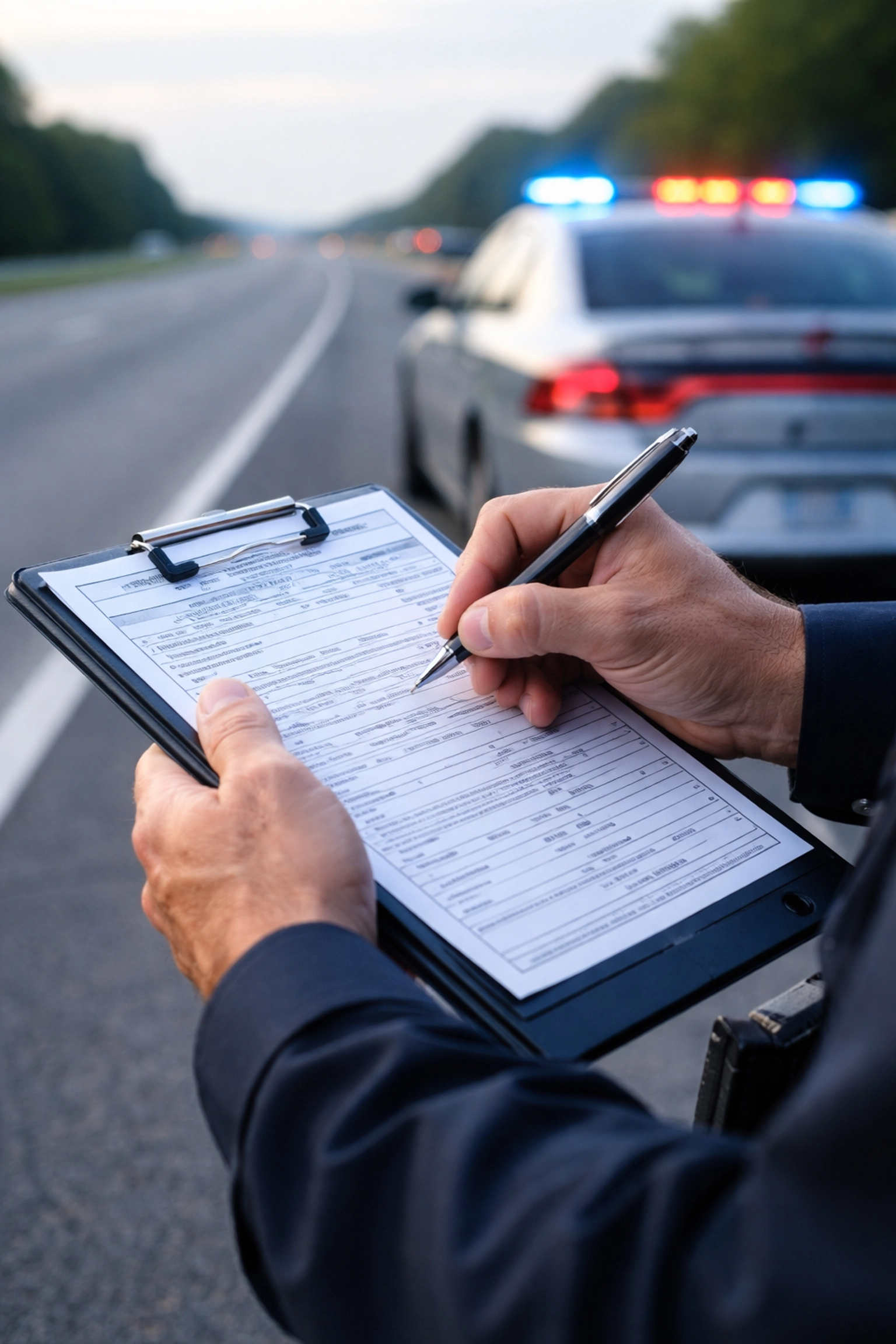
No accident doesn't mean a clean slate. That speeding ticket you got on I-71? The rolling stop through that intersection in Columbus? Those count.
Moving violations like speeding, reckless driving, or running red lights signal to insurers that you're a higher risk. Even a single ticket can bump up your rate, and these violations typically stick around on your record for three to five years in Ohio.
The lesson here: slow down, come to complete stops, and save yourself money in more ways than one.
2. Your Neighborhood Changed (Or You Moved)
Insurance companies pay close attention to your ZIP code. If your area has seen an increase in accidents, vehicle thefts, vandalism, or uninsured drivers, your rates may go up, even if your personal driving habits haven't changed.
This is especially relevant for Ohio drivers. Urban areas like Cleveland, Cincinnati, and Columbus tend to have higher premiums than rural communities simply because there's more traffic, more claims, and more risk overall.
Did you recently move? Even relocating across town can trigger a rate change if your new neighborhood has different risk factors.
3. Repair and Medical Costs Are Skyrocketing
Here's something completely outside your control: everything costs more now.
According to recent data, motor vehicle repair costs rose nearly 6% in just one year. Auto insurance premiums spiked 14% during the same period nationwide. Modern vehicles are packed with sensors, cameras, and advanced safety features. Great for safety, expensive to fix.
Medical costs are climbing too. If someone gets injured in an accident (even one that isn't your fault), those bills get factored into what everyone pays.
Unfortunately, you can't negotiate with inflation. But you can shop around and make sure you're not overpaying.
4. You Lost a Discount
Sometimes your rate goes up because a discount disappeared. Common ones include:
- Safe driver discounts that expired after a claim or violation
- Bundling discounts if you dropped your home or renters policy
- Loyalty discounts that reset after switching payment methods
- Paperless or autopay discounts if you changed your billing preferences
Take a look at your previous policy and compare it to your renewal. If something's missing, ask about it. You might be able to get it back.
5. You Added a Driver to Your Policy
Did you add a teen driver this year? A spouse? A roommate?
Adding anyone to your policy can change your rate, sometimes dramatically. Teen drivers especially tend to increase premiums because statistically, they're more likely to be involved in accidents.
Even adding an experienced adult driver can raise your rate if their driving history isn't squeaky clean.

6. You Filed a Non-Accident Claim
Here's one that catches people off guard: comprehensive claims can raise your rates too.
Did you file a claim for a cracked windshield? Hail damage from that nasty storm last spring? Hit a deer on Route 33?
These aren't "at-fault" accidents, but they still show up as claims. Multiple comprehensive claims can put you in a higher-risk category, which means higher premiums.
Sometimes it's worth paying out of pocket for smaller repairs rather than filing a claim. We can help you figure out when that makes sense.
7. The Insurance Company Raised Rates Across the Board
Sometimes it's not you at all. Insurance companies periodically file for rate increases with the Ohio Department of Insurance. If approved, everyone with that carrier sees a bump.
This usually happens when the company's claims payouts exceed what they expected. More severe weather, more expensive vehicles, more lawsuits, it all adds up.
The good news? You're not locked in. If your carrier raised rates across the board, it might be time to shop around.
What You Can Actually Do About It
Okay, so now you know why your rate went up. But what can you do to bring it back down?
Shop around. Seriously. Different carriers weigh factors differently. What's expensive with one company might be reasonable with another. We work with multiple carriers and can compare options for you.
Bundle your policies. Combining your auto and home (or renters) insurance often unlocks significant discounts.
Ask about discounts. Safe driver programs, low mileage discounts, good student discounts, defensive driving courses: there are more options than you might think.
Raise your deductible. If you can afford to pay more out of pocket in the event of a claim, a higher deductible can lower your monthly premium.
Review your coverage. Are you still carrying comprehensive on a 15-year-old car? It might be time to adjust.
Drive safely. This one's obvious, but it's worth saying. A clean record for three to five years can significantly improve your rates.

We're Here to Help
At Cook Insurance Group, we get it. Insurance can feel like a mystery wrapped in fine print. But it doesn't have to be that way.
We take the time to explain what's happening with your policy, find you better options, and make sure you're only paying for what you actually need. And we back it up with our written Money Back Guarantee: because we believe in what we do.
It's not just a policy. It's personal.
If your auto insurance went up and you want answers: or better yet, solutions: reach out to us. We'll take a look at your situation and see what we can do.
60-Second Summary
Everybody, I am the King of Coverage, and here's the deal: your auto insurance can go up even without accidents. Traffic tickets, your ZIP code, rising repair costs, lost discounts, adding drivers, comprehensive claims, and company-wide rate hikes can all be factors. The fix? Shop around, bundle policies, ask about discounts, and review your coverage regularly. At Cook Insurance Group, we help Ohio drivers cut through the confusion and find real savings: backed by our Money Back Guarantee. Stay safe, stay informed, and stay insured.