If you've opened your home insurance renewal lately and nearly choked on your coffee, you're not alone. Home insurance premiums have been climbing faster than a cat up a tree, leaving homeowners across the country wondering what the heck happened to their "affordable" coverage.
Here's the reality: the average American homeowner is now paying 24% more for home insurance than they did just three years ago. That's not a typo, and unfortunately, it's not a temporary blip either. These increases have been rising twice as fast as general inflation, and experts predict another 11% jump nationwide by the end of 2025.
So what's driving these eye-watering increases, and more importantly, what can you actually do about it? Let's break it down.
The Perfect Storm: Why Your Premiums Are Through the Roof
Inflation Hit the Construction Industry Like a Freight Train
Remember when lumber prices went absolutely bonkers during the pandemic? Well, that was just the beginning. Between 2020 and 2022, home replacement costs shot up by 55% due to inflation and supply chain chaos. When your roof gets damaged in a storm, insurance companies aren't paying 2019 prices for materials and labor, they're paying today's inflated costs.
And it's not just materials. There's a serious shortage of skilled construction workers, which means contractors can charge premium wages. When insurers have to pay more to fix or rebuild homes, guess where that cost ends up? Yep, in your premium.

Mother Nature Decided to Get Really, Really Angry
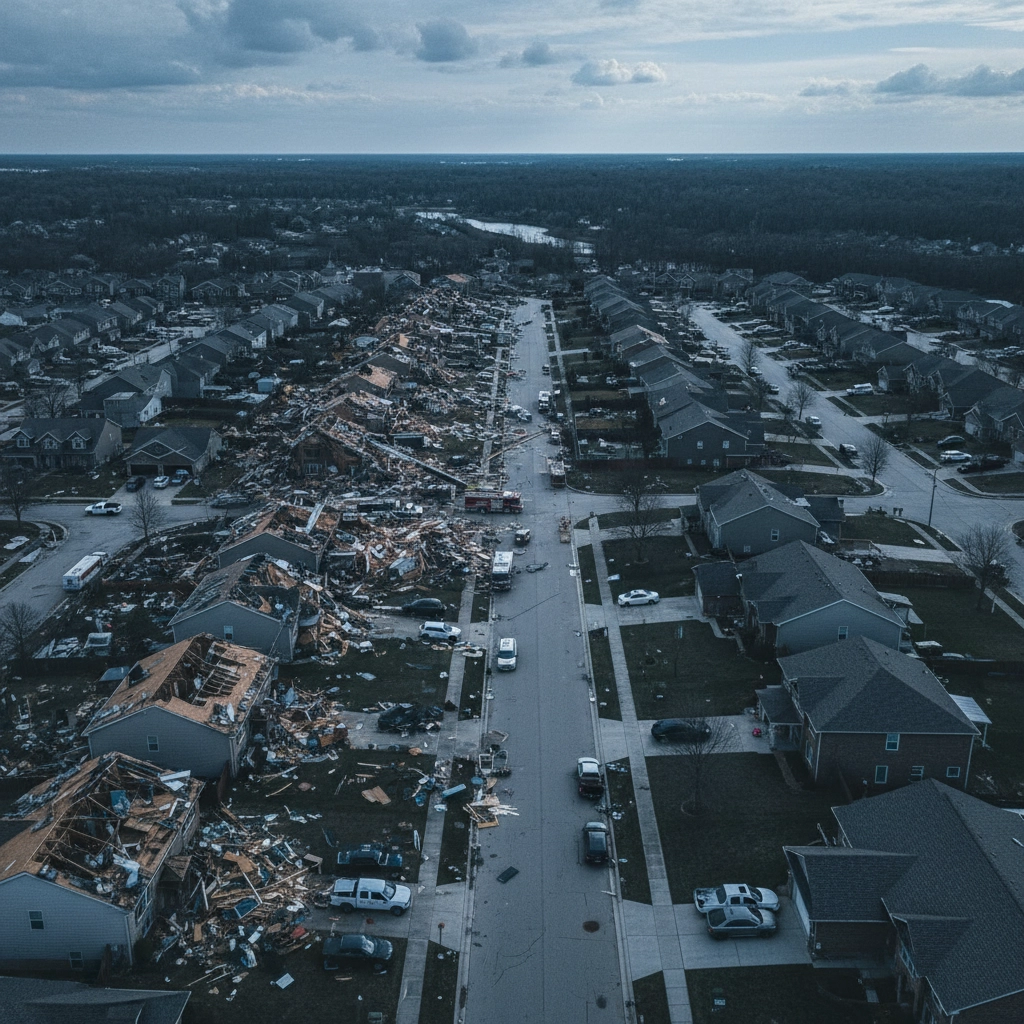
Natural disasters have increased tenfold since the 1980s, and 2024 was a particularly brutal year. Ohio alone saw 74 tornadoes, nearly triple their normal annual average of 24. The Los Angeles wildfires in early 2025 became one of the costliest natural disasters in U.S. history.
Here's the thing about climate change: it's not just affecting the usual suspects anymore. Areas that never worried about severe weather are suddenly dealing with unexpected floods, derechos, and extreme storms. Insurance companies are scrambling to adjust their risk models, and that adjustment is showing up in everyone's premiums.
The Insurance Industry is Bleeding Money
In 2023, insurance companies had their worst underwriting year since 2011. For every dollar they collected in premiums, they paid out about $1.11 in claims and expenses. That's not sustainable math for any business.
Private insurers paid out $24.8 billion more than they collected in 2022, and another $21.1 billion more in 2023. When companies are operating at a loss, they have two choices: raise rates or go out of business. Guess which one they're choosing?
Even the Insurance Companies Need Insurance (and It's Expensive)
This one's a bit technical, but stick with me. Insurance companies buy their own insurance, called reinsurance, to protect themselves against massive losses from catastrophic events. Well, reinsurance costs have skyrocketed, and those costs get passed down to you faster than a hot potato.
Geography Matters More Than Ever
Where you live makes a huge difference in how much these increases are hitting your wallet. Some states got walloped harder than others:
- Utah: 59% increase
- Illinois: 50% increase
- Arizona: 48% increase
- Pennsylvania: 44% increase
The most expensive states overall? Florida, Louisiana, Oklahoma, Kentucky, and Nebraska are leading the "ouch, my wallet" parade.
But here's what's really wild: 95% of U.S. ZIP codes have experienced premium increases, and in one-third of all ZIP codes, premiums have jumped more than 30%. So even if you're not in a "high-risk" area, you're probably still feeling the pinch.
What You Can Actually Do About It
Now for the good news: you're not completely powerless here. There are several strategies you can use to fight back against rising premiums without sacrificing the protection you need.
Shop Around Like Your Wallet Depends on It (Because It Does)
This is the big one. Getting quotes from multiple insurers every year isn't just good advice: it's essential. Insurance companies use different algorithms to calculate risk, which means you could save hundreds or even thousands by switching carriers.
Get at least three quotes, and make sure you're comparing apples to apples. Same coverage limits, same deductibles, same everything. Otherwise, you might think you're getting a great deal when you're actually getting less coverage.
Play with Your Deductibles and Coverage Limits
Raising your deductible is one of the fastest ways to lower your premium. If you can afford to pay $2,500 or $5,000 out of pocket instead of $1,000, you'll see immediate savings on your monthly or annual premium.
Also, take a hard look at your coverage limits. Are you insuring your home for more than it would actually cost to rebuild? Have you done any major renovations that increased your home's value? Make sure your coverage reflects reality, not outdated estimates.

Bundle Like a Boss
Most insurance companies offer significant discounts when you bundle your home and auto insurance. Sometimes the savings can be substantial: often 10-25% off your total premiums. Just make sure the bundled price is actually better than buying separate policies from different companies.
Turn Your Home into Fort Knox (The Insurance Company Will Love It)
Insurance companies love homes that are less likely to file claims. Installing security systems, smoke detectors, and smart home monitoring devices can earn you discounts. Some insurers even offer breaks for impact-resistant roofing or storm shutters.
Regular maintenance matters too. Keep your roof in good shape, update old plumbing and electrical systems, and address small issues before they become big, expensive problems.
Review Your Policy Like You Actually Care About It
I know, I know: reading your insurance policy is about as exciting as watching paint dry. But seriously, when was the last time you actually looked at what you're paying for?
Maybe you're still carrying coverage for that expensive jewelry you sold years ago. Maybe your home office setup has changed and you need different business property coverage. A quick policy review with your agent can often uncover ways to adjust your coverage and save money.
The Bottom Line
Home insurance premiums are rising, and they're probably going to keep rising for the foreseeable future. But that doesn't mean you have to just bend over and take it. By shopping around, adjusting your coverage intelligently, and staying on top of your policy, you can minimize the impact on your budget while keeping your home properly protected.
Remember, the goal isn't to get the cheapest insurance possible: it's to get the best value for your dollar while maintaining adequate coverage. Because trust me, dealing with rising premiums is annoying, but dealing with being underinsured after a major loss? That's a nightmare you definitely want to avoid.
Stay proactive, stay informed, and don't be afraid to ask questions. Your wallet will thank you.