So you're thinking about joining the electric vehicle revolution? Smart move! EVs are quieter, cleaner, and frankly, pretty cool to drive. But before you start dreaming about never hitting another gas station, let's talk about something that might not be on your radar yet: insurance.
Here's the thing: insuring an electric vehicle isn't exactly like insuring your current gas-guzzler. There are some important differences that could affect your wallet, and I want to make sure you're prepared before you sign on that dotted line.
The Good News: It's Still Just Car Insurance
Let's start with what stays the same. EV insurance works basically like any other auto insurance policy. You'll still need liability coverage (because, you know, it's the law in most states), and you can still get collision, comprehensive, and all the other familiar coverage options you're used to.
Your liability coverage will still split into two parts: bodily injury liability to help cover medical costs if you hurt someone in an accident, and property damage liability for when you accidentally back into your neighbor's fence. The minimums your state requires? Same as always.
The insurance companies aren't reinventing the wheel here: they're just tweaking it a bit for the electric age.
The Reality Check: It's Going to Cost More
Okay, here comes the part where I have to break some potentially disappointing news. Electric vehicle insurance typically costs more than insuring a traditional car. How much more? We're talking an average of about $3,140 per year for full coverage on an EV, compared to around $2,399 for the average across all vehicles.
Before you panic, let me explain why this happens: it's not because insurance companies have something against saving the planet.
Repair Costs Are Higher
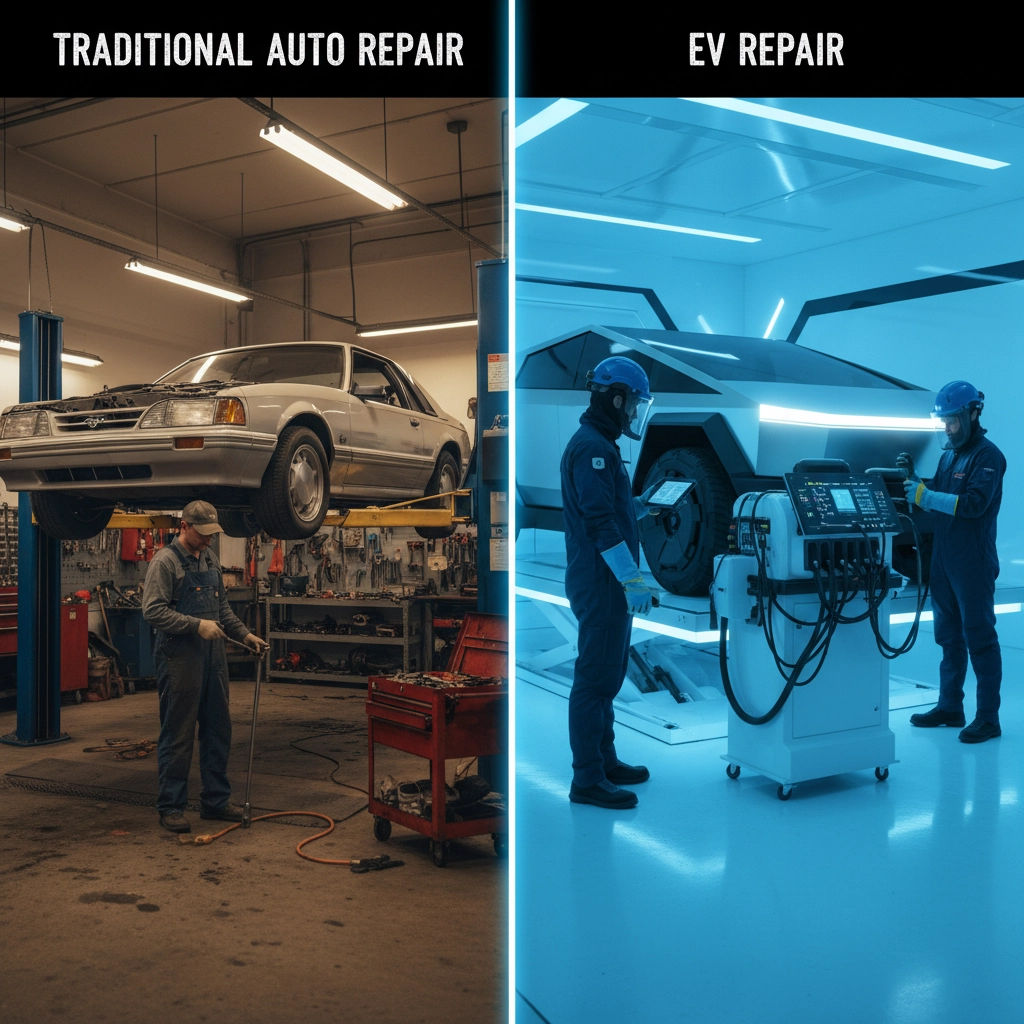
When your EV gets dinged up, you can't just take it to any corner auto shop. Electric vehicles need specialized equipment and mechanics who actually know what they're doing with high-voltage systems. This means fewer repair options and higher labor costs.
Plus, replacement parts for EVs are still relatively expensive. We're not talking about a $50 headlight here: EV components can get pricey fast.
Your Car Is Worth More
Most electric vehicles cost more to buy than their gas-powered cousins. When something costs more to replace, it costs more to insure. It's simple math, really: if your $60,000 Tesla gets totaled, that's a bigger check the insurance company has to write than if your $25,000 Honda Civic meets the same fate.
Coverage You'll Want for Your EV
While the basic coverage types remain the same, there are some considerations that become more important when you're dealing with an electric vehicle.
The Standard Stuff
You'll still want collision coverage for when accidents happen (and they will), comprehensive coverage for theft, weather damage, and other non-collision events, and uninsured motorist coverage because not everyone plays by the rules.
Medical payments or Personal Injury Protection (PIP) coverage is still a smart choice for covering medical expenses after an accident, regardless of who's at fault.
EV-Specific Considerations
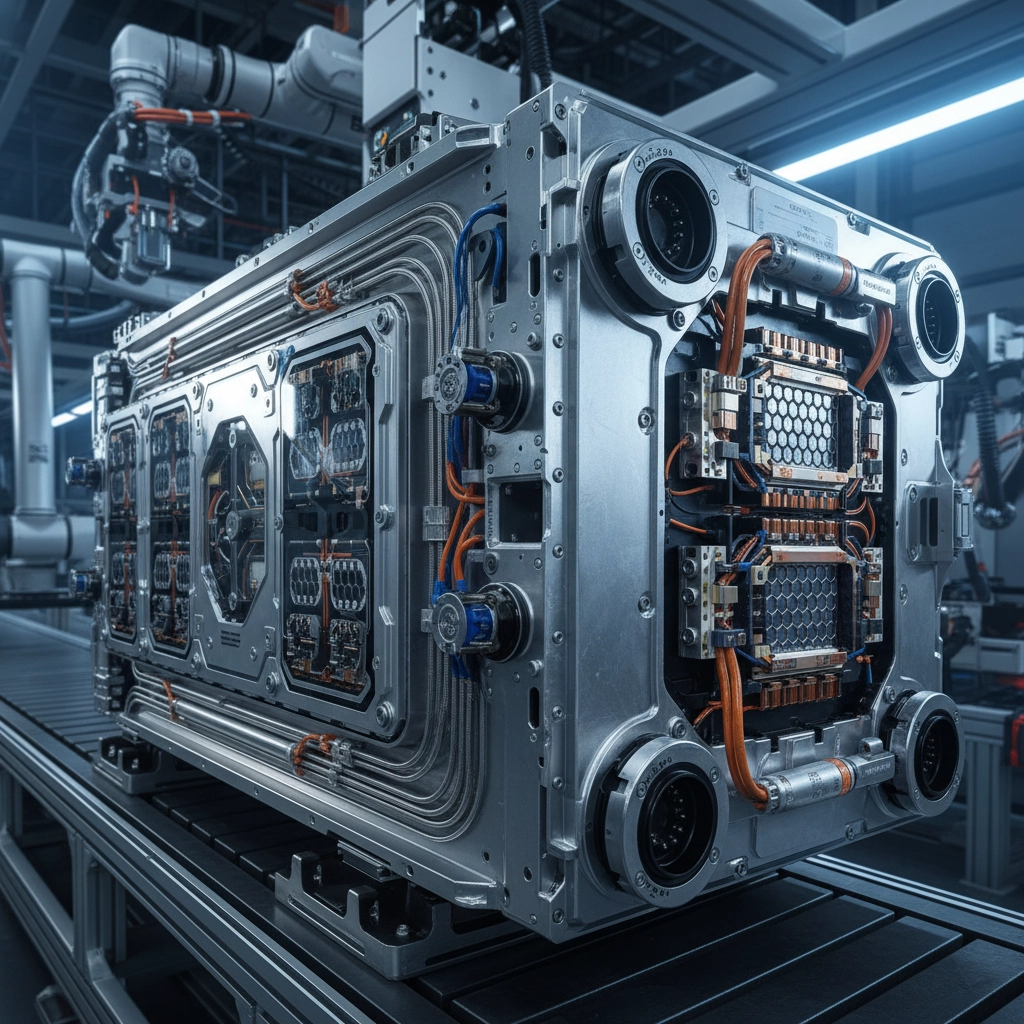
Here's where things get interesting. That massive battery pack that makes your car go? It's also the most expensive part to replace. Some insurers offer specific battery coverage, and it might be worth exploring depending on your vehicle.
Gap insurance becomes even more important with EVs. Since these cars often depreciate quickly in their first few years, you could easily owe more on your loan than the car is worth if it gets totaled.
Rental car reimbursement is also worth considering. If your EV needs repairs, you might be waiting longer than usual for parts or for a qualified repair shop to have an opening.
Special EV Situations You Should Know About
Your Home Charging Station
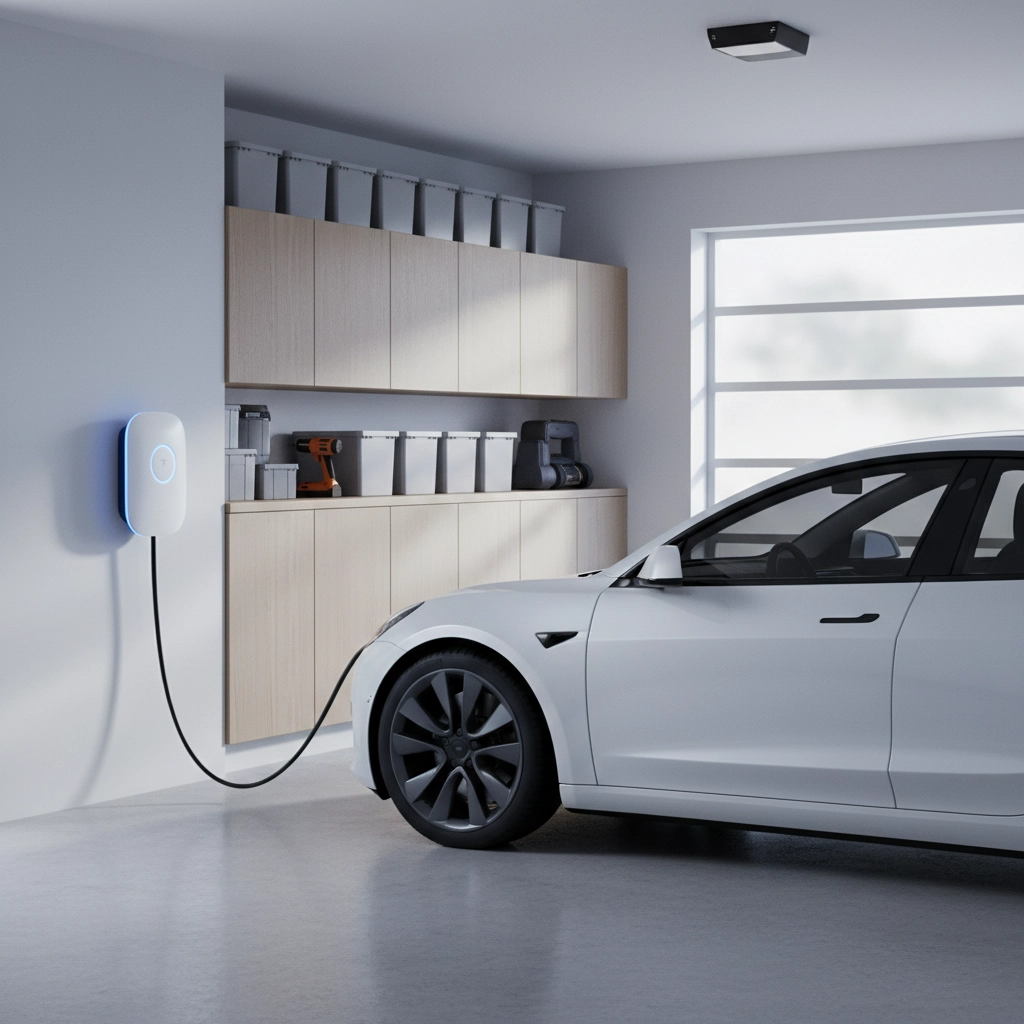
That charging station you're planning to install in your garage? Your homeowners insurance might cover it, but don't assume it does. Some policies include it under dwelling coverage, others don't cover it at all. It's worth a quick call to check.
Some auto insurers, like State Farm, will cover charging stations under comprehensive coverage on your auto policy. It's one of those details that's easy to overlook until you need it.
Finding Qualified Repair Shops
This is a bigger deal than you might think. When your EV needs bodywork, you can't just go anywhere. The shop needs to be certified to work on electric vehicles safely. This can limit your options and potentially increase repair times.
When you're shopping for insurance, ask about their network of certified EV repair facilities. Some insurers have better networks than others.
Roadside Assistance Takes on New Meaning
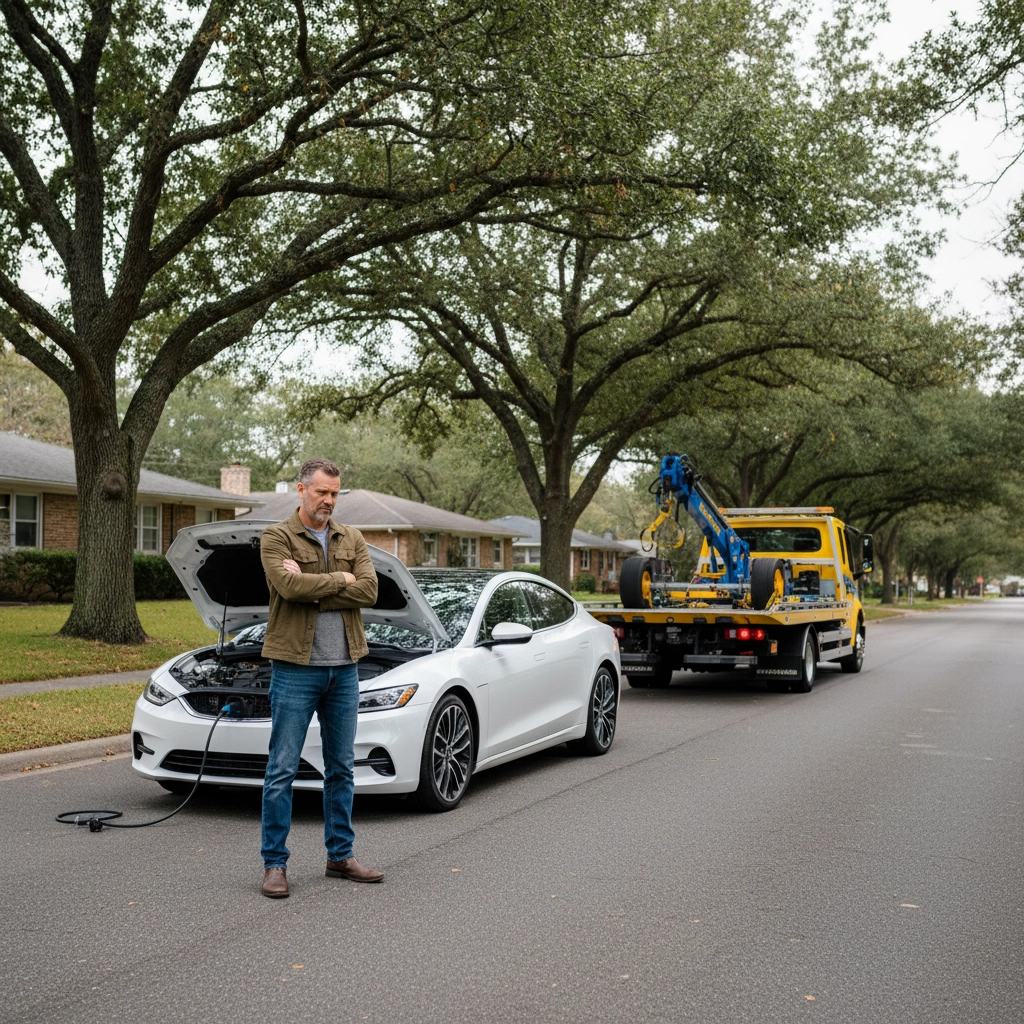
Running out of gas is one thing: finding someone to tow your EV to the nearest charging station is another. Make sure your roadside assistance coverage understands electric vehicles and has protocols for getting you back on the road.
How to Get the Best Rate on EV Insurance
Just because EV insurance costs more on average doesn't mean you're stuck paying top dollar. Here's how to keep your premiums reasonable:
Shop Around Like Your Wallet Depends on It
Different insurers price EV coverage very differently. Some have embraced electric vehicles and offer competitive rates, while others are still figuring it out. Get quotes from at least three different companies: you might be surprised by the variation.
Look for EV-Specific Discounts
Some insurers offer discounts specifically for electric or hybrid vehicles. These might be environmental discounts or simply recognition that EV drivers tend to be more cautious. Every little bit helps.
Maintain Your Driving Record
This one's obvious but worth mentioning. A clean driving record will save you money on any car insurance, but it's especially important with EVs since the base rates are already higher.
Consider Your Deductibles Carefully
With higher repair costs, your deductible choice becomes more important. A higher deductible will lower your premium, but make sure you can actually afford to pay it if something happens.
The Bottom Line
Electric vehicles are amazing, but they do come with some insurance considerations you should factor into your budget. Expect to pay more for coverage, but don't let that scare you away from making the switch.
The key is being prepared. Get quotes before you buy, understand what coverage you need, and make sure you're working with an insurer who gets EVs. The extra cost might sting a little at first, but many EV owners find the savings on fuel and maintenance help balance things out.
Most importantly, don't just focus on the monthly premium. Make sure your coverage actually protects you and your investment. An EV is a big purchase: protect it properly.
60-Second Summary
Everybody, I am the King of Coverage, and here's what you need to know about insuring your electric vehicle: EV insurance works like regular car insurance but costs about $700 more per year due to higher repair costs and replacement values. You'll want the same basic coverage plus consideration for battery protection, gap insurance, and rental reimbursement. Your home charging station may or may not be covered by homeowners insurance, so check that too. Shop multiple insurers, look for EV discounts, and make sure they have certified repair networks. The extra cost is real, but proper coverage protects your investment. Stay safe, stay informed, and stay insured.