Ohio's 2024 tornado season was historic for all the wrong reasons. With 74 confirmed tornadoes: breaking the previous record of 62 set back in 1992: homeowners across the Buckeye State got a harsh lesson in severe weather preparedness. The most destructive tornado, an EF3 that tore through Logan County near Indian Lake in March, left behind $22 million in property damage and stark reminders about insurance coverage gaps.
As your neighbors at Cook Insurance Group, we've spent the year helping Ohio families navigate the aftermath of these storms. What we've seen has been eye-opening, and frankly, some of it could have been prevented with better preparation. Here's what Ohio homeowners discovered about their coverage: and what you need to know to protect yourself.
The Reality Check: Most Common Coverage Gaps
Wind vs. Tornado Coverage Confusion
One of the biggest surprises for homeowners was learning that not all wind damage is created equal in insurance terms. Standard homeowner policies typically cover wind damage, but many people assumed this meant comprehensive tornado protection. The reality is more nuanced.
Most policies cover wind damage from tornadoes under the dwelling coverage, but there are often different deductibles for wind/hail claims versus other perils. Some Ohio homeowners discovered they had percentage-based wind deductibles (typically 1-5% of their home's insured value) rather than flat dollar amounts. For a $200,000 home, that could mean a $2,000-$10,000 deductible instead of the expected $500-$1,000.
The Debris Removal Gap
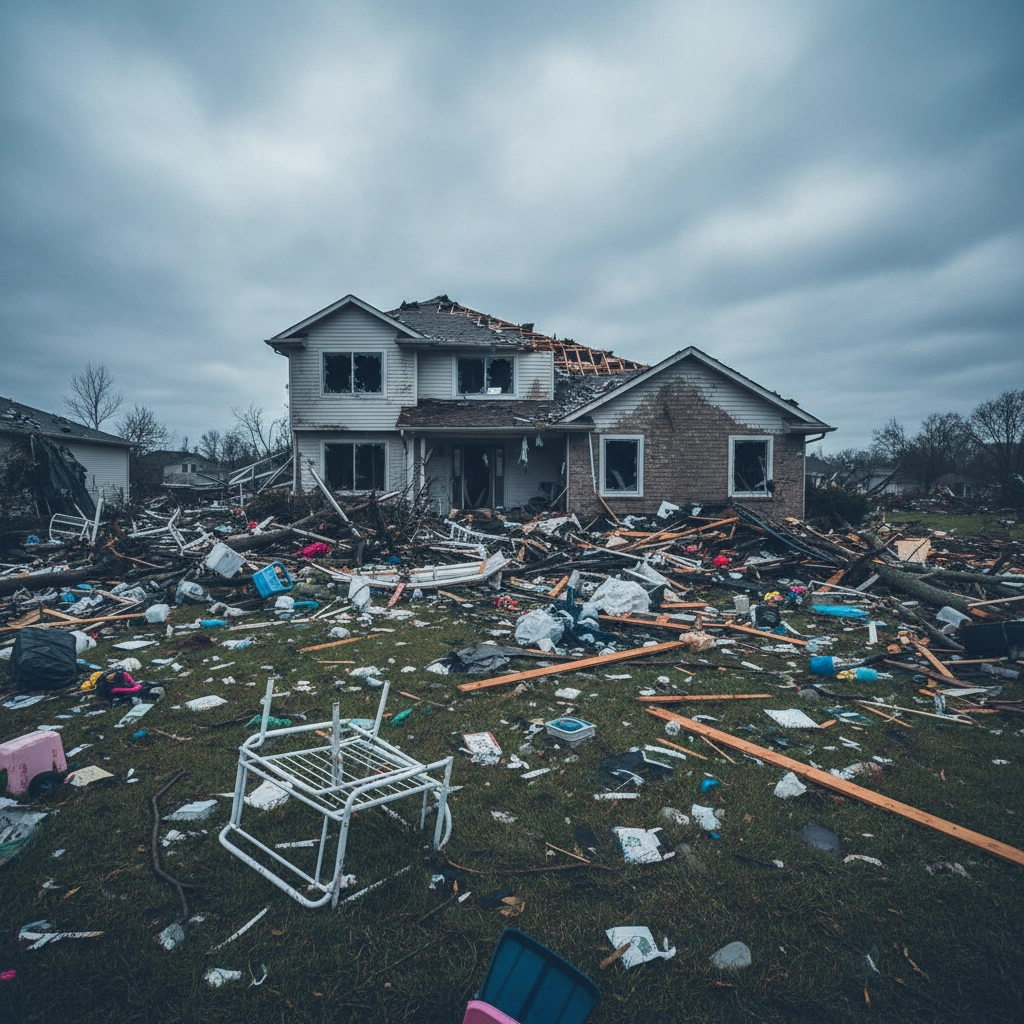
Tornadoes don't just damage structures: they create massive debris fields. Trees, building materials, and personal belongings get scattered across properties and sometimes onto neighboring land. Many homeowners learned the hard way that standard policies limit debris removal coverage, often to 5-25% of the dwelling coverage limit.
After the Logan County tornado, several families faced $15,000-$30,000 in debris removal costs that exceeded their policy limits. This left them paying thousands out of pocket just to clear their property before rebuilding could begin.
Temporary Living Expenses: The Fine Print Matters
When your home is uninhabitable due to tornado damage, Additional Living Expenses (ALE) coverage kicks in to help with hotel stays, restaurant meals, and other temporary living costs. However, 2024's tornado victims discovered several limitations:
- Time limits: Most policies cap ALE coverage at 12-24 months, which often isn't enough for complete rebuilds
- Dollar limits: ALE is typically limited to 10-30% of dwelling coverage
- Reasonable and necessary standard: Insurance companies scrutinize every receipt
Outbuilding and Detached Structure Oversights
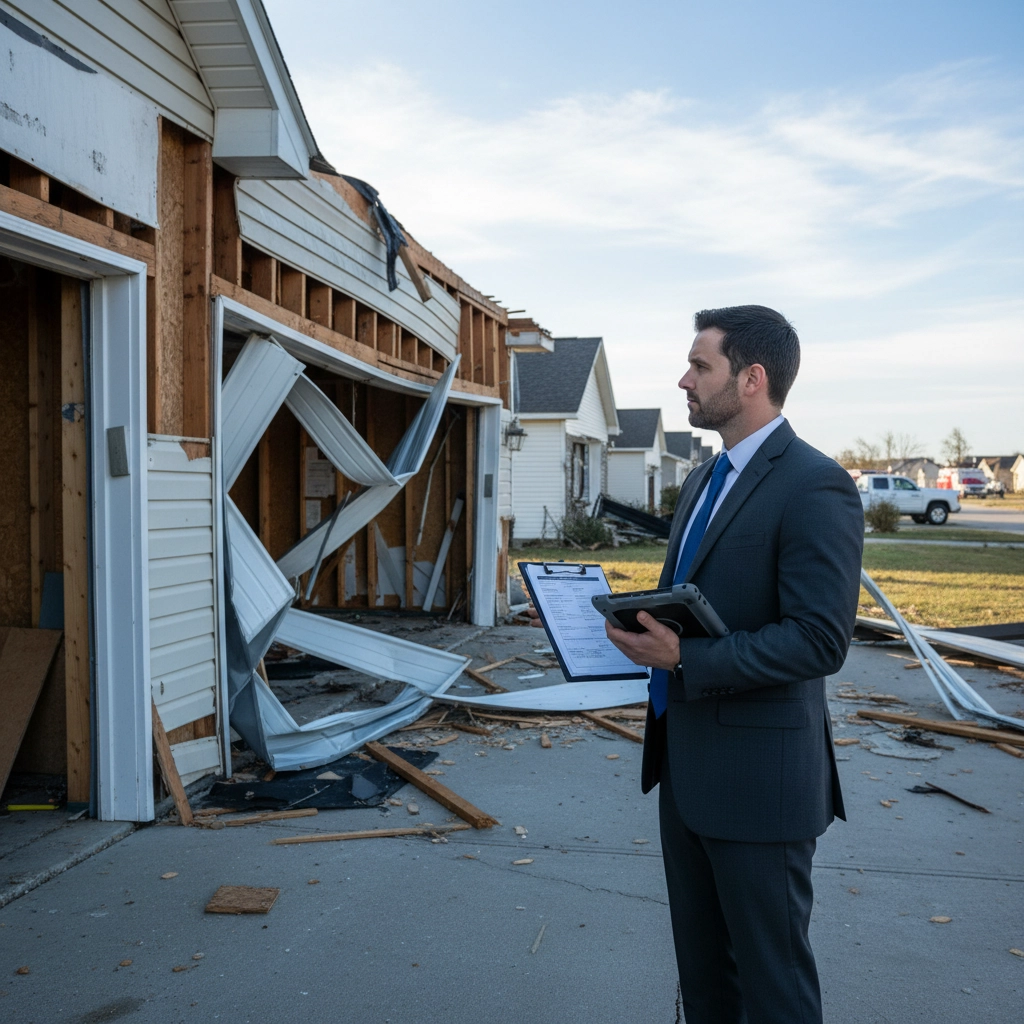
Detached garages, sheds, barns, and other outbuildings are covered under most homeowner policies, but usually at only 10% of the dwelling coverage amount. For many Ohio families with substantial outbuildings: think pole barns storing farm equipment or large detached garages: this coverage proved woefully inadequate.
One Darke County family lost a $40,000 pole barn but only had $20,000 in coverage for all detached structures combined. The gap forced them to choose between rebuilding the barn or replacing their damaged shed and fencing.
Personal Property: The Underinsurance Epidemic
Replacement Cost vs. Actual Cash Value
Many Ohio homeowners thought their personal property coverage would replace damaged items at current prices. Instead, they discovered their policies provided Actual Cash Value coverage, which factors in depreciation. That five-year-old refrigerator destroyed by debris? The insurance company valued it at $300, not the $1,200 replacement cost.
Upgrading to replacement cost coverage for personal property typically adds only $50-$100 annually to premiums but can save thousands during a claim.
Special Limits for High-Value Items
Standard policies have sub-limits for categories like jewelry ($2,500), electronics ($2,500), and firearms ($2,500). Tornado damage often affects entire homes, meaning these limits can be quickly exhausted. Several Ohio families lost collections, equipment, and valuables that far exceeded these standard limits.
The Business Interruption Surprise
Many Ohio residents run businesses from their homes or have significant business property on their premises. Standard homeowner policies exclude business property and business interruption losses. Several families learned this when they tried to claim losses for:
- Home-based businesses disrupted by tornado damage
- Business equipment stored at home
- Income lost during recovery periods
Geographic and Timing Factors That Mattered
Claims Handling Delays
With 74 tornadoes hitting throughout the year, insurance companies became overwhelmed with claims. Many Ohio homeowners faced:
- 60-90 day adjuster delays
- Multiple inspections as damage assessments evolved
- Slow approval processes for temporary repairs
These delays meant additional temporary living expenses and prevented timely repairs that could have prevented secondary damage from weather exposure.
Market Conditions Impact
The tornado damage coincided with Ohio's challenging construction market. Material costs were high, contractors were scarce, and labor was expensive. Many homeowners found their coverage limits: adequate when their policies were written: insufficient for actual rebuilding costs in 2024's market.

What Cook Insurance Group Recommends
Annual Coverage Reviews
We've made coverage reviews standard practice, but 2024 proved why they're essential. Construction costs, personal property values, and living expenses all increase over time. What seemed adequate three years ago may leave significant gaps today.
Enhanced Coverage Options
Based on what we've seen, consider these upgrades:
Guaranteed Replacement Cost Coverage: Protects against construction cost increases and ensures full rebuilding capability
Extended Replacement Cost: Provides 125-150% of dwelling coverage limits for market fluctuation protection
Personal Property Replacement Cost: Eliminates depreciation from personal property claims
Increased ALE Limits: Extends both time and dollar limits for temporary living expenses
Scheduled Personal Property: Covers high-value items at full replacement cost without sub-limits
Emergency Fund Planning
Even with comprehensive coverage, out-of-pocket expenses are inevitable. Deductibles, coverage gaps, and timing delays require emergency funds. We recommend maintaining liquid savings equal to at least your wind/hail deductible plus $5,000-$10,000 for unexpected expenses.
Documentation: Your First Line of Defense
Ohio's 2024 tornado survivors consistently emphasized the importance of documentation. Successful claims required:
- Current home inventory with photos and receipts
- Regular property photos showing conditions before damage
- Contractor estimates for recent improvements
- Professional appraisals for high-value items
Moving Forward: Preparation for 2025
Ohio's tornado season typically runs March through June, with peak activity in April and May. Given climate trends and the 2024 precedent, preparation is more important than ever.
Structural Improvements
Consider tornado-resistant upgrades:
- Safe rooms or storm shelters
- Impact-resistant windows
- Reinforced roofing systems
- Proper tree maintenance to reduce debris risks
Insurance Portfolio Review
Work with your agent to:
- Update coverage limits based on current replacement costs
- Add endorsements for identified gaps
- Consider umbrella policies for additional liability protection
- Review deductible structures for optimal balance

The 74 tornadoes that hit Ohio in 2024 taught us valuable lessons about insurance coverage, emergency preparedness, and community resilience. While we can't prevent severe weather, we can ensure families are properly protected when storms strike.
At Cook Insurance Group, we've used these lessons to better serve our Ohio neighbors. Every policy review now includes specific discussions about wind/hail deductibles, debris removal limits, and temporary living expenses. We've seen firsthand how proper coverage makes the difference between recovery and financial hardship.
Don't wait for the next severe weather season to discover gaps in your coverage. The lessons from 2024 are clear: preparation and proper insurance protection are your best defenses against Ohio's unpredictable weather.
Contact us today for a comprehensive coverage review. Because in Ohio, it's not a matter of if severe weather will strike: it's a matter of when, and whether you'll be ready.